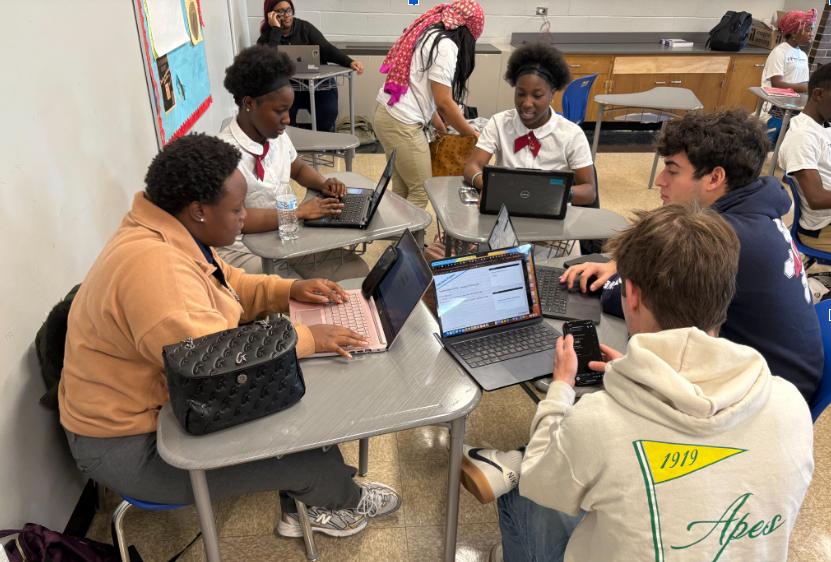
This Financial Literacy Month, we reached out to educators and mentors in the FGI community to share their perspectives on why investing education matters. Arnold Guerrero is a marketing and CTE teacher at G.W. Brackenridge High School in San Antonio, an FGI partner school. He works with high school students every day and knows firsthand what it takes to make financial concepts click. We asked him three questions about financial literacy, investing, and teaching.
Why do you believe financial literacy education is important for young people today?
It is imperative that young people be financially educated so that they can make proper and beneficial financial decisions as young professionals entering the workforce. For most, it will be their first exposure to a sustainable income and understanding how to be smart with money can help them avoid major financial pitfalls many adults experience later in life.
How can learning about investing help students develop a longer-term perspective when thinking about money?
Proper financial education with regard to long-term investments can help a young investor avoid the potential pitfall of prematurely withdrawing from a long-term growth strategy. Too many people live in the "here and now" without thought of their future financial needs. Understanding investments at a young age increases the likelihood that they will allow their monies to grow overtime, securing their financial needs later in life.
In your experience as an educator, what helps financial concepts “click” for students?
An educator has to make the concepts relevant to the individual student. If students can see how a concept directly applies to their current situation or their future, they are able to make better sense of it. I find high school seniors, many of whom are already working, find the relevance as they can apply the newfound knowledge to their actual paychecks and savings. I also find being realistic with the numbers when projecting long-term growth helps them believe in the strategy. For example, an at-risk student may not believe in the likelihood that they can retire as a millionaire but can relate to potentially having a couple to a few hundred thousand dollars saved over time.