Investing Isn't Just for Rich People
That's not a tagline. It's the thing we keep hearing from students after they finish our program, and it's the thing that started all of this.
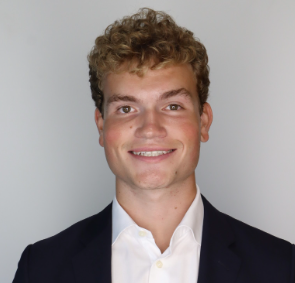
In October, two of our co-founders, Dylan Ingerman and Cole Mattox, spoke at the Bogleheads Conference in San Antonio, an annual gathering founded in honor of Vanguard founder John Bogle and one of the most respected communities of evidence-based investors in the country. They weren't there to talk about FGI's growth or our model in the abstract. They were there to make a case: that the next generation of long-term investors is sitting in high schools right now, and most of them have no idea that the market is something they can actually participate in.
That case landed. And it's worth explaining why we believe it so deeply.
Most financial education is teaching the wrong thing
If a high schooler learns about investing at all, it's usually through a stock market trading game. They pick individual stocks, they check prices daily, they try to "win." It feels like investing. It's actually the opposite of investing.
Social media makes this worse. The loudest financial voices targeting young people are promoting day trading, crypto speculation, and get-rich-quick thinking. It's not just unhelpful, it's actively building bad habits that can take years to undo.
FGI was built to counter that. We teach what the evidence actually supports: broad-market index funds, low costs, diversification, dollar-cost averaging, and the power of time.
What we actually do
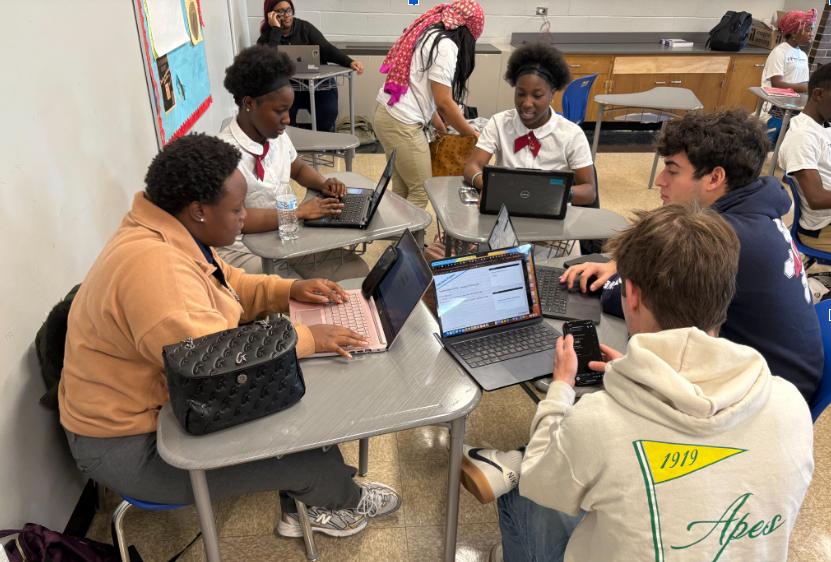
We partner with high schools and send college volunteers, near-peers who aren't much older than the students themselves, into classrooms for a seven-session curriculum, capped off by a capstone where students present their own portfolio. By the end, they choose from a menu of low-cost, diversified funds.
Then we buy $100 of real investments on their behalf. When they turn 18, it transfers into their own brokerage account.
That's not a simulation. That's theirs.
We started with three college students teaching three teenagers in Philadelphia. We're now in schools from Georgia to Alaska, and the demand is outpacing our capacity to serve it.
The ripple effect is what gets us
Students who go through the program don't just invest for themselves. They go home and talk to their parents. They help siblings open accounts. They apply for college with something real to write about. Some go on to careers in finance, the first in their families to ever consider it.
One of the questions Dylan and Cole got at the Bogleheads conference was about what happens after the program ends. The answer is: a lot. And most of it we don't even fully see.
Why we're at conferences like this
The Bogleheads community cares about what works. They've built their philosophy on evidence, simplicity, and long-term thinking. We're doing the same thing, just with a different starting point. Our students don't have inherited wealth or a financial advisor in the family. They have us, a few sessions, and a $100 investment that says: you belong in this conversation too.
That's what we showed up to say in San Antonio. And that's what we'll keep showing up to say.
If you want to watch the full session, you can find it here.